Choosing the right level of support for someone you care about can feel overwhelming. When daily tasks become more challenging or memory concerns begin to arise, understanding the difference between personal care Pennsylvania options and memory care becomes especially important.
Personal care supports individuals who need help with everyday routines while maintaining as much independence as possible. Memory care, by contrast, is for those living with Alzheimer’s disease or other forms of dementia who benefit from more specialized environments and structured support.
Knowing which path fits your family’s situation can bring clarity and confidence during what is often an emotional transition.
Understanding Personal Care Services in Pennsylvania
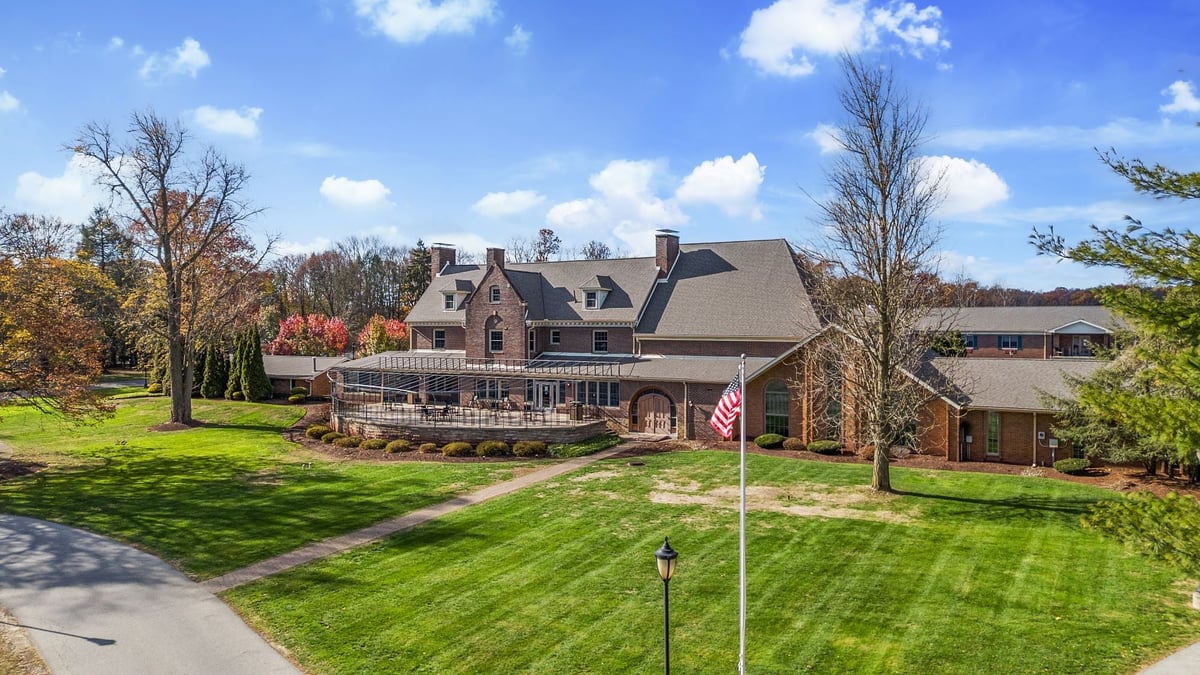
Personal care services in Pennsylvania are for older adults who need assistance with daily routines but do not require skilled nursing. This level of support allows residents to receive help while continuing to enjoy familiar routines and social connection. In Franciscan Manor's Personal Care program, the approach centers on creating a comfortable, neighborly setting where support feels natural and respectful.
Residents benefit from a balance of assistance and autonomy. Daily life includes shared meals, opportunities to participate in social programs, and access to welcoming common areas that encourage connection. The goal is not to take over daily life, but to make it easier and more enjoyable.
Personal care services may include:
- Assistance with bathing, dressing, and grooming
- Medication reminders and coordination
- Mobility and transfer support
- Housekeeping and laundry services
- Nutritious meals and dining experiences
This combination of practical support and community living helps residents feel at ease while still maintaining their sense of routine and identity.
What's Memory Care for Seniors?
Families often ask about memory care for seniors when they begin to notice cognitive changes in a loved one. Memory care communities are specifically designed for individuals living with dementia, offering environments and programs that focus on safety, familiarity, and engagement.
Unlike personal care, memory care includes structured daily routines and enhanced safety features that help reduce confusion. Team members receive specialized training to communicate effectively and respond to behavioral changes with patience and understanding. The physical design of these communities also plays a key role, with simplified layouts and visual cues that support navigation and comfort.
These communities also focus on preserving abilities and creating moments of connection. Programs are curated to encourage engagement through music, conversation, and familiar routines. Rather than focusing on limitations, the approach centers on helping individuals continue to experience meaningful parts of daily life in a safe and supportive environment.
Assessing Your Loved One’s Current Needs
Determining the right level of support begins with understanding your loved one’s day-to-day experience. Some individuals primarily need help with physical tasks, while others may face increasing challenges related to memory and decision-making.
Personal care may be appropriate for someone who needs reminders, help with daily routines, or occasional support but still feels comfortable navigating their day. In these cases, a setting like Franciscan Manor can provide consistency, social connection, and assistance without disrupting familiar habits.
Memory care may be the better fit when cognitive changes begin to affect safety or independence. This can include difficulty recognizing familiar places, confusion about time, or changes in behavior that create concern. Observing these patterns over time can help families better understand when additional support may be needed.
Signs that may indicate the need for dementia care options include:
- Frequent confusion or disorientation
- Difficulty completing familiar tasks
- Wandering or getting lost
- Noticeable changes in mood or personality
- Memory loss that affects daily safety
Professional assessments can also be helpful, offering a clearer picture of both physical and cognitive needs so families can make informed decisions.
Comparing Costs and Long-Term Value
Cost is often a key factor when comparing personal care Pennsylvania options with memory care. Personal care typically has a lower monthly cost because it doesn't require the same level of specialized staffing or secure environments. However, the value of each option depends on how well it meets your loved one’s needs.
Memory care communities generally include higher staffing levels, specialized training, and safety features that contribute to increased costs. While this may seem significant at first, these features are present to reduce risks and provide consistent support, which can help prevent more serious concerns over time.
It's also important to look closely at what is included in monthly pricing. Some communities offer bundled services, while others may charge separately for additional support. Taking the time to understand these details can help families plan more effectively and avoid unexpected expenses later.
Making the Transition Smoother
Moving into a new community can take time to adjust, but thoughtful planning can make the process easier. For individuals transitioning into personal care, involvement is key. Touring the community, choosing personal items for their apartment, and getting to know the environment ahead of time can help create a sense of familiarity.
For those moving into senior memory support settings, the transition may require a more gradual approach. Consistency and comfort become especially important, and small details can make a meaningful difference in how someone adapts to their new surroundings.
Helpful ways to support a smoother transition include:
- Bringing familiar furniture, photos, and personal items
- Maintaining consistent daily routines whenever possible
- Visiting regularly during the first few weeks
- Partnering with team members for personalized guidance
These steps can help create a sense of stability and reassurance during a time of change.
Finding the Right Community in Pennsylvania
Pennsylvania offers a wide range of senior living communities, each with its own approach and environment. Finding the right fit involves more than reviewing services. It's about choosing a place where your loved one feels comfortable and where daily life aligns with their preferences.
When visiting communities, pay attention to how residents spend their time and how team members interact with them. A welcoming atmosphere, genuine connection, and thoughtful programming often say more than a checklist of amenities.
Franciscan Manor offers a setting that reflects the values many families are looking for. With a focus on relationships, familiarity, and consistent support, it provides an environment where residents can feel part of a community while receiving the help they need.
Compassionate Support at Franciscan Manor
Choosing between personal care and memory care is a personal decision that depends on individual needs, preferences, and circumstances. Understanding the differences between these options can help families feel more prepared and confident as they move forward.
At Franciscan Manor, residents benefit from a community that prioritizes comfort, connection, and personalized support. Franciscan Manor Personal Care is meant to help individuals navigate daily life with greater ease while remaining engaged and connected to those around them.
Schedule a personal tour at Franciscan Manor to learn how our community can support your loved one.