Summary
When comparing personal care versus home care costs, many families discover that staying home isn't always the budget-friendly option they expect. Understanding the true expenses of aging in place helps families make informed decisions about the best setting for their loved ones.
- Home health aides in Pennsylvania cost a median of $34 per hour, reaching roughly $5,900 monthly for 40 hours weekly—before adding employer taxes, workers' compensation, and backup coverage
- One-time home modifications (ramps, accessible bathrooms, stairlifts) run $5,000–$15,000, with ongoing monthly costs for utilities, maintenance, meal delivery, and transportation adding $1,250+ more
- Personal care communities bundle housing, meals, support services, and activities into a single predictable monthly fee (median $6,350 in Pennsylvania), eliminating surprise expenses
- Beyond finances, personal care communities offer built-in companionship, structured activities, and familiar team members—benefits that combat isolation common in aging in place
- Families should tally all expenses—care hours, modifications, utilities, property taxes, insurance—to discover the real cost comparison for their situation
Many families assume staying at home is the most affordable option. Add up the true cost of aging in place, though, and the numbers often tell a different story. Understanding personal care versus home care costs helps families choose the right setting with clear eyes. A personal care community charges one predictable monthly fee, while home-based support involves a long list of separate expenses that add up fast. Franciscan Manor in Beaver Falls, PA, put together this comparison to help.
Breaking Down Home Health Aide Costs Versus Personal Care
According to CareScout’s 2025 Cost of Care Survey, the median rate for non-medical home care in Pennsylvania works out to about $34 per hour. At 40 hours a week, that’s roughly $5,900 a month before anything else is counted. Families who hire aides directly also take on employer responsibilities:
- Tax withholding and payroll
- Workers’ compensation insurance
- Benefits administration
- Backup coverage for vacations and sick days
Costs climb as needs increase. Round-the-clock support means several people working in shifts, which pushes monthly expenses well past $20,000 at that hourly rate. Many families underestimate this when they first picture aging in place as the budget-friendly choice.
Hidden Expenses of Aging in Place
Beyond direct care, keeping a house safe takes ongoing investment. Home modifications commonly run from a few thousand dollars to $15,000 or more, depending on the house:
- Wheelchair ramps and widened doorways
- Walk-in showers and bathroom safety features
- Stairlifts for multi-level homes
- Grab bars and handrails throughout
The monthly bills keep coming after the one-time work is done: meal delivery, special dietary needs, pharmacy services, an emergency response system, rides to appointments, lawn care, home maintenance, utilities, property taxes, and homeowners insurance.
Comparing senior care costs at home means gathering all of these scattered expenses in one place. For many families, the total exceeds a single monthly fee at a personal care community.
What Personal Care Communities Include
A personal care community bundles support into one monthly payment. At Franciscan Manor, Personal Care includes a private or shared suite, home-style meals served with restaurant-style tableside service, weekly housekeeping, scheduled transportation, a full-time director planning daily events, and team members available day and night.
Help with bathing, dressing, medication reminders, and mobility is part of the package. Team members coordinate with healthcare providers and adjust support as needs change, so families aren’t juggling multiple providers and invoices. Residents also build friendships over shared meals, exercise programs, and local outings.
Comparing Senior Care Costs at Home vs. Community Living
CareScout’s 2025 data puts Pennsylvania’s median cost for a private one-bedroom in a residential care community at about $6,350 per month. One fee covers housing, meals, support, and programming, so families can budget without surprises. Franciscan Manor shares its current rates on its floor plans and pricing page.
Home-based costs vary widely but frequently land in the same range or higher. Consider a typical month for someone aging in place:
- 30 hours a week of professional care at $34 per hour: about $4,420
- Meal delivery: $450
- Transportation: $200
- Emergency alert system: $50
- Home maintenance: $300
- Utilities: $250
That comes to roughly $5,670 a month, and it assumes the house is already modified and leaves out property taxes, insurance, and repairs. So is personal care cheaper than home care? Once every cost is on the table, the answer surprises many families.
Quality of Life Beyond the Numbers
Money matters, but so does daily life. Isolation is common among older adults living alone, especially after losing a spouse or when getting around becomes harder, and it takes a toll on mood and health when the only company is a brief visit from hired help.
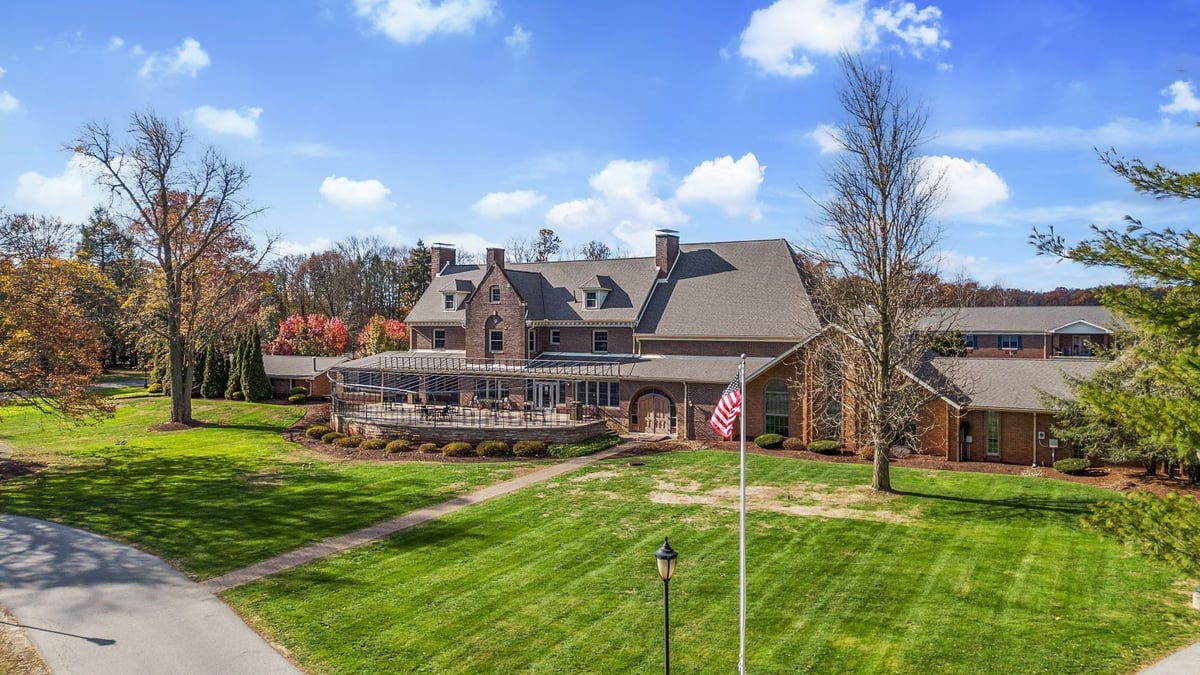
A personal care community solves that with built-in neighbors. At Franciscan Manor, a historic 1905 mansion on 17 acres, residents share meals, join exercise programs, and head out on community outings together. Team members become familiar faces who know each resident’s preferences. The personal care community versus caregiver comparison goes beyond services to companionship, which is hard to put a price on.
Making the Right Choice for Your Family
Weighing home health aide costs versus personal care starts with your own numbers. Count current and projected care hours, add housing costs, factor in modifications, and include hidden costs like payroll taxes and backup coverage. If paying for a community is the open question, 7 practical ways to pay for senior living walks through the options. Many families find community living offers better value, along with safety, connection, and peace of mind.
Compare Your Care Options
Franciscan Manor welcomes families to visit, talk through specific needs, and see how our pricing compares to the cost of personal care versus in-home care for their situation. Schedule a personalized tour of our Beaver Falls, PA, community and bring your numbers with you.