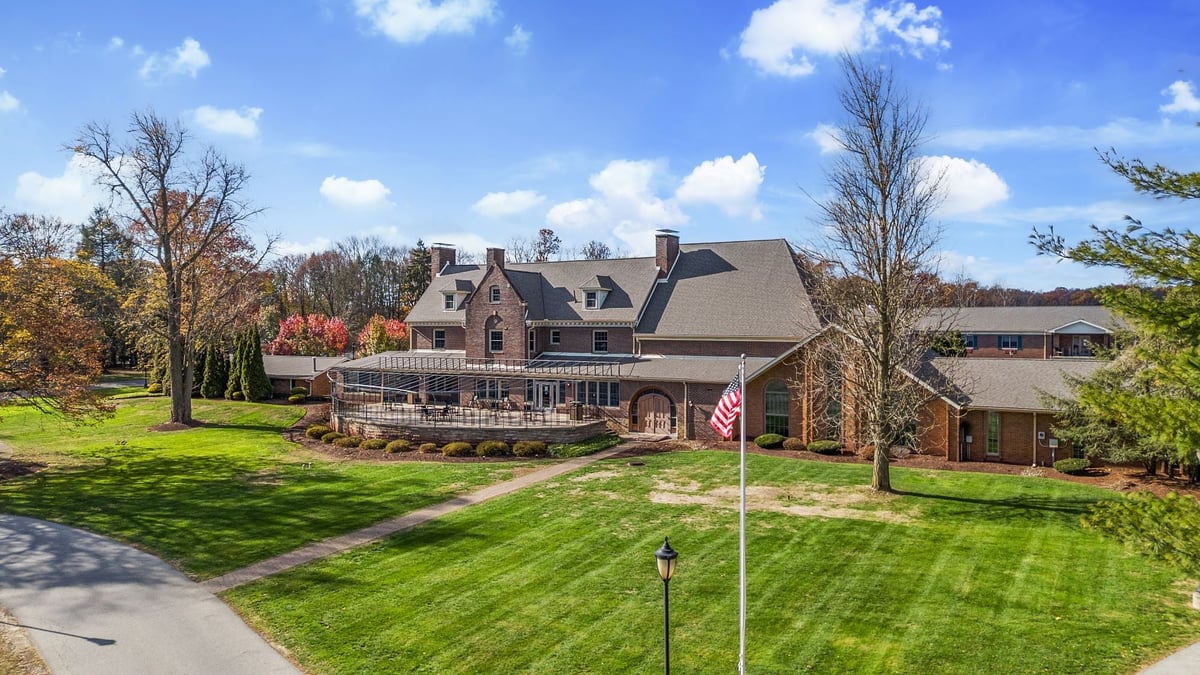
May is National Stroke Awareness Month, and it's a good time for families to talk about protecting the people they love most. Stroke prevention tips for seniors don't have to be complicated. Small, consistent habits can make a real difference in your parent's quality of life and independence for years to come. If you're searching for ways to support a parent living in Beaver Falls, Franciscan Manor is here to help families feel informed and prepared.
Strokes affect nearly 800,000 Americans each year, and older adults face the highest risk. The encouraging news is that research shows up to 80% of strokes can be prevented through everyday lifestyle choices and steady health management. That's what makes stroke awareness month for families such a meaningful opportunity to check in on the people you care about.
Understanding Stroke Risk in Older Adults
A handful of factors tend to drive stroke risk as we age. High blood pressure sits at the top of the list. Diabetes, high cholesterol, and heart conditions like atrial fibrillation also raise the odds significantly.
Everyday choices matter too. Smoking, limited movement, and poor nutrition can all add to the risk. Family history and a previous stroke or heart attack raise the likelihood of another event down the road.
Getting familiar with your parent's specific risk factors helps you and their healthcare team build a plan that actually fits their life. Regular screenings and honest conversations with their doctor go a long way toward reducing stroke risk in older adults.
Senior Stroke Warning Signs: Know F.A.S.T.
The F.A.S.T. acronym is one of the simplest ways to remember fast signs of stroke in seniors:
- Face drooping on one side
- Arm weakness or numbness
- Speech that's slurred or difficult to understand
- Time to call 911 right away
- Sudden confusion or trouble seeing in one or both eyes
- Difficulty walking, dizziness, or loss of balance
- A severe headache with no clear cause
Every minute counts. Getting medical help quickly can meaningfully reduce brain damage and improve recovery. Some people experience symptoms that pass quickly, known as a transient ischemic attack (TIA) or "mini-stroke." Even brief symptoms deserve immediate medical attention, since a TIA often signals a higher risk for a major stroke later on.
Make sure everyone close to your parent, family, friends, and neighbors, knows these senior stroke warning signs. Keep emergency numbers somewhere easy to find, and talk with your loved one's care team about what to do the moment warning signs appear.
Prevention Strategies Worth Building Into Daily Life
Managing blood pressure is the single most important step in preventing strokes in older adult parents. Regular monitoring, taking medications as prescribed, and small lifestyle shifts all support healthy numbers over time. Encourage your parent to check their blood pressure regularly and keep a simple log to share at doctor visits.
Movement matters too, even in small doses. A few ways to build it into the week:
- Daily walks or gentle chair exercises
- Water aerobics or swimming
- Group fitness classes with friends
- About 150 minutes of moderate movement per week, adjusted to fitness level
Nutrition plays a role as well. A diet built around fruits, vegetables, whole grains, and lean proteins supports heart health, while limiting sodium, saturated fats, and processed foods helps too. A registered dietitian can help build a plan that's both heart-healthy and enjoyable.
Medication Management Makes a Real Difference
Staying consistent with medication is one of the most overlooked pieces of stroke prevention. Many older adults manage prescriptions for blood pressure, cholesterol, diabetes, or blood thinning, and missing doses or mixing them up can raise stroke risk considerably.
Pill organizers, reminder systems, or a little extra help with organization can go a long way. Regular medication reviews with a doctor also help catch interactions or adjustments before they become a problem. At Franciscan Manor, our associates support residents with medication routines as part of our Personal Care program, giving families peace of mind that nothing slips through the cracks.
A Supportive, Hometown Feel at Franciscan Manor
Franciscan Manor has been part of the Beaver Falls community for years, and that neighborly, familiar feeling shapes everything we do. Our Personal Care program helps residents build heart-healthy routines through wellness plans that are personal, not generic. Our associates work closely with families and outside healthcare providers to notice changes early and keep medication routines on track.
Residents also enjoy hearty, homestyle meals prepared by our in-house culinary team, with menus built around comfort and flavor, not just nutrition. And because support here is available around the clock, families never have to wonder who's nearby if something changes overnight. It's the kind of steady, close-knit care you'd expect from a community that feels more like a neighborhood than an institution.
Taking Action This Stroke Awareness Month
Use May as a nudge to have honest conversations with your parent about their health. A few practical steps to take together:
- Schedule any overdue medical screenings
- Review current medications with their doctor
- Talk openly about any changes in health or ability you've noticed
- Visit Franciscan Manor to learn more about our Personal Care services
Frequently Asked Questions
What are the fastest ways to recognize a stroke?
Remember F.A.S.T.: face drooping, arm weakness, speech difficulty, and time to call 911. Additional signs include sudden confusion, vision trouble, and loss of balance.
Can strokes really be prevented?
Yes. Up to 80% of strokes are preventable through managing blood pressure, staying active, eating well, and taking medications consistently.
Does Franciscan Manor help residents manage stroke risk factors?
Our Personal Care program includes wellness plans, medication support, and coordination with outside healthcare providers to help residents stay on top of health changes.
What should I do if I notice a warning sign in my parent?
Call 911 immediately. Don't wait to see if symptoms pass, even if they seem minor or temporary.
Franciscan Manor associates are glad to answer questions about how we support residents' heart health and overall well-being in a warm, familiar setting. If you'd like to see our community for yourself, you can schedule a tour and meet the people who make Franciscan Manor feel like home.